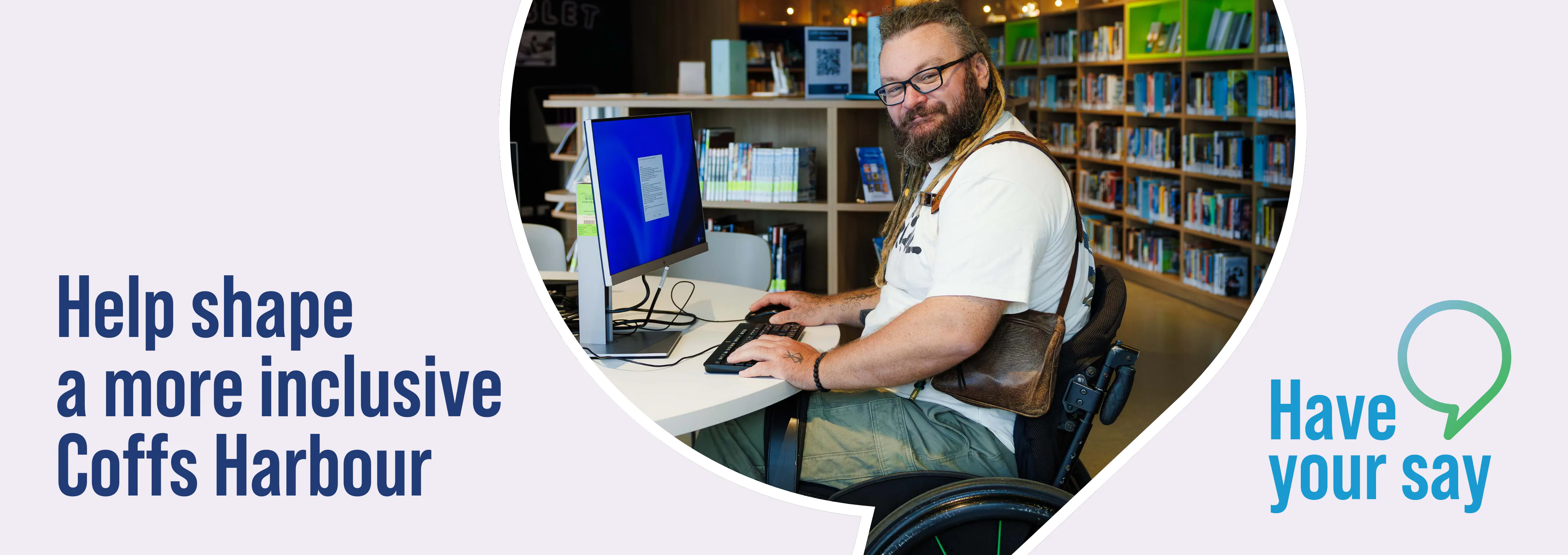
Frequently Asked Questions
What is the Plan about?
- Around 1 in 5 people live with disability
- Nearly half of people aged over 65 have a disability
- Many people with disability experience barriers to employment, transport, services and community participation
- People’s experience of disability is often influenced by barriers in the physical environment, systems and attitudes.
- Reduces disadvantage, isolation and discrimination
- Helps people feel welcome and valued
- Improves access to jobs, services and public spaces
- Benefits everyone, including older people, families and visitors.
People with disability
Families and carers
Older people
People with temporary injuries or health conditions
Service providers and community organisations
Local businesses
The broader community
Building positive attitudes and behaviours
Creating liveable and accessible communities
Supporting employment and economic participation
Improving access to information, services and systems
Community feedback and lived experience
Previous City plans and actions
Legislation and best practice
Local and national disability strategies
Research and data about barriers and inclusion
Physical access to footpaths, buildings and public spaces
Navigation, signage and wayfinding
Access to information and communication
Attitudes, stigma and discrimination
Transport, parking and drop-off access
Access to employment and opportunities
- Accessible means people can easily enter places, use services and understand information
- Inclusive means everyone can participate, belong and have a say
- Universal design means planning buildings, spaces and services so they work for as many people as possible from the start
- The City uses person first language, such as “people with disability”.
- Supporting people with disability to participate in the City’s decision making
- Promoting positive images and stories of people with disability
- Improving accessible infrastructure and public spaces
- Reducing barriers to jobs and volunteering for people with disability
- Working with partners to create more employment opportunities
- Making information easier to find and understand
- Improving access to City services and facilities
What is the Disability Inclusion Action Plan (DIAP)?
The Disability Inclusion Action Plan (DIAP) is a four our-year plan that outlines how the City will improve accessibility, inclusion and participation for people with disability in our community.
All councils in NSW are required to develop and implement a DIAP under the NSW Disability Inclusion Act. The Plan helps guide how we remove barriers and create a more inclusive community.
Why is the City developing the Plan?
We want to make sure people with disability can fully participate in everyday life — including accessing services, facilities, events, employment and community activities.
The Plan also helps the City meet legislative requirements and reflect community priorities and lived experience.
The draft Plan builds on the City’s existing DIAP and has been developed in collaboration with the City’s Disability Inclusion and Access Advisory Committee.
What is the purpose of the Plan?
The Draft Disability Inclusion Action Plan (DIAP) 2026–2030 explains how the City of Coffs Harbour will create a more inclusive and accessible community for people with disability.
The Plan focuses on removing barriers that prevent people with disability from fully participating in everyday life.
These barriers can exist in:
• Buildings and public spaces
• City services and facilities
• Information and communication
• Employment and volunteering
• Community attitudes and systems.
Why does disability inclusion matter?
Disability is part of everyday life in our community.
In the Coffs Harbour area:
An inclusive community:
Who is the Plan for?
The Plan is for:
Creating a more inclusive community benefits everyone.
What does the City mean by “disability”?
Disability includes a wide range of physical, sensory, intellectual, neurological and mental health conditions.
It also includes both visible and non-visible disabilities, long-term health conditions and neurodivergence.
We recognise that disability is part of human diversity and that barriers in the environment, attitudes and systems often create challenges for people.
What are the key focus areas of the draft Plan?
The Draft DIAP focuses on four key focus areas:
These focus areas align with NSW Government priorities.
How was the draft Plan developed?
The draft has been informed by:
The draft Plan builds on the City’s existing DIAP and has been developed in collaboration with the City’s Disability Inclusion and Access Advisory Committee.
Community engagement is an important part of shaping the final Plan.
Consultation is essential because people with disability and carers are best placed to identify barriers and solutions.
What barriers does the Plan aim to address?
People with disability told us they still experience barriers such as:
These challenges are reflected in the Plan’s actions.
People also highlighted difficulties accessing public spaces, lifts, toilets and places to rest.
What do we mean by inclusive and accessible?
How will the Plan improve accessibility and inclusion?
The Plan aims to improve accessibility and inclusion through actions such as:
The City aims to lead by example as an inclusive employer.
Providing feedback and Next Steps
Complete the online survey
Make a written submission
Visit a community pop-up
Contact the City for support or accessible formats
Review all feedback
Update the draft Plan if needed
Present the final Plan to Council for adoption
Share the outcomes with the community
- Is integrated into the City’s planning and reporting framework
- Is supported by long term financial, workforce and asset planning
- Includes clear actions, measures and timeframes
- Is monitored and reported on each year through the City’s Annual Report
- Progress is guided by the City's Disability Inclusion and Access Advisory Committee.
Follow the City’s website and social media
Subscribe to newsletters
Attend events and community sessions
Contact the City to join engagement opportunities
How can I provide feedback?
You can:
We encourage everyone to get involved.
Do I have to have disability to give feedback?
No. Anyone can provide feedback.
We welcome input from people with disability, carers, families, service providers, businesses and the wider community.
What happens after the exhibition period?
We will:
How will the City deliver and monitor the Plan?
The Disability Inclusion Action Plan:
Will the City continue to engage with people with disability?
Yes. Ongoing engagement and listening are a key part of the Plan.
We want to build strong partnerships with the community to ensure actions are meaningful and responsive.
People with disability have told us they want more opportunities to have a say and be involved in decision-making.
How can I stay informed?
You can:
Accessible information will continue to be provided.